Blazing Trails and Frozen Fields: Temperature's Grip on Soccer Pitches, Racecourses, Tennis Courts, and Basketball Arenas
Written by Jakob Lang · Apr 20, 2026
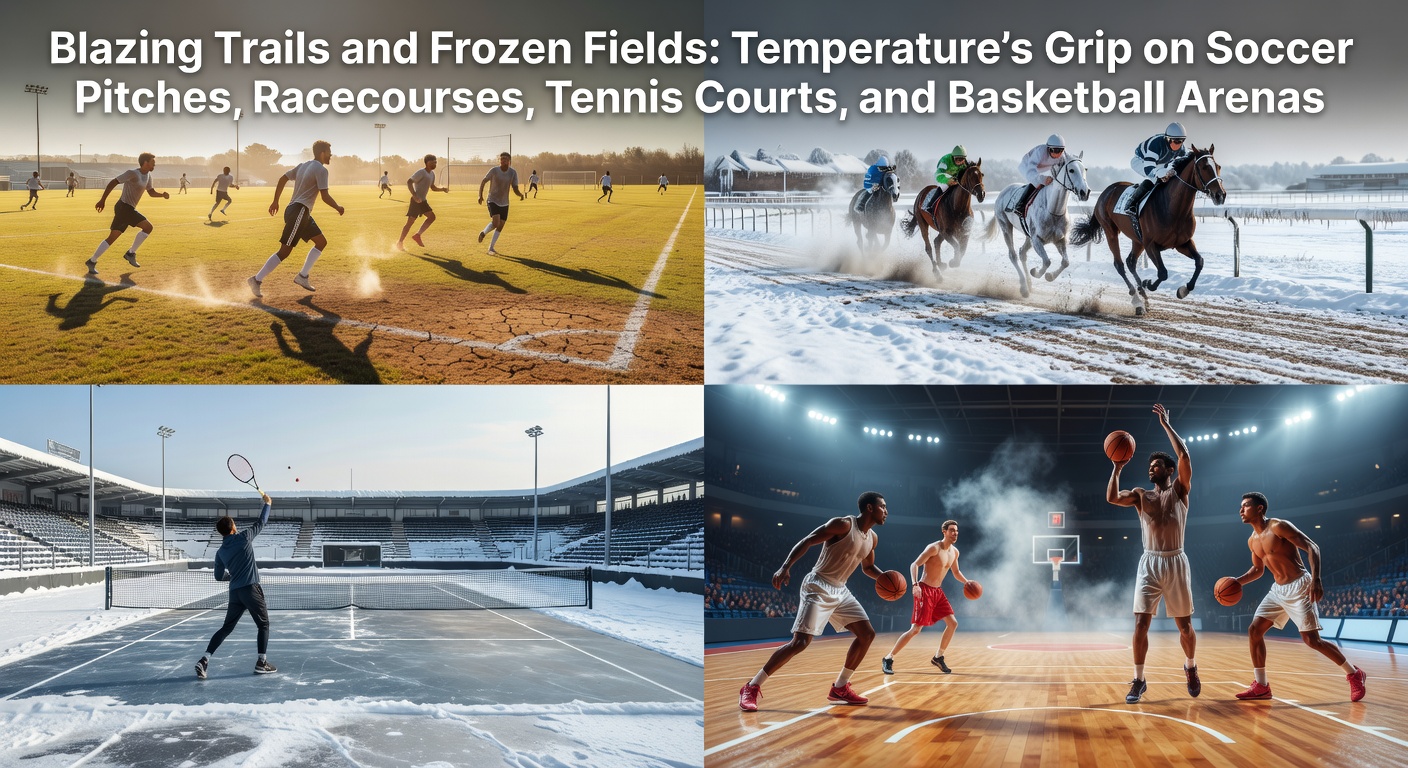
Blazing Trails and Frozen Fields: Temperature's Grip on Soccer Pitches, Racecourses, Tennis Courts, and Basketball Arenas
Temperature's Unseen Hand in Multi-Sport Betting
Temperature swings dictate pace and precision across soccer pitches, racecourses, tennis courts, and basketball arenas, where data from sports science labs reveals how heat saps stamina while cold stiffens muscles and alters surfaces; bettors who layer these factors into accumulators often spot edges others miss, since studies show performance dips of up to 10% in extremes above 30°C or below 0°C. Observers note that April 2026 brings early spring thaws to European soccer leagues and budding warmth to US tracks, setting stages for volatile conditions that reshape odds. What's interesting is how one team's acclimatization to mild chills gives way to another's heat-honed edge, turning routine matches into accumulator goldmines when temperatures climb or plummet unexpectedly.
And yet, the ball's in the weather's court here, as figures from global athletic monitoring confirm; for instance, teams playing in 35°C scorchers record 15% fewer sprints per half, while frosty fields under -5°C see slip rates double according to pitch friction tests. Those who've crunched the numbers across sports find that syncing temperature forecasts with form guides unlocks high-yield parlays, especially as accumulators chain soccer clean sheets from cool nights with racing closers thriving on firm summer ground.
Soccer Pitches: From Sizzling Surfaces to Icy Traps
Heat transforms soccer pitches into energy vampires, where grass wilts and balls roll slower on baked turf, leading to fewer goals and tighter defenses; research from the FIFA World Cup Qatar 2022 analysis indicates matches in 40°C-plus conditions averaged 20% less distance covered by midfielders, shifting bets toward under 2.5 goals. Cold snaps flip the script, freezing pitches that turn studs into skates and boosting long-ball reliance; Scandinavian leagues in sub-zero January rounds post 25% higher corner counts, data from Opta reveals, since slippery surfaces favor set pieces over intricate footwork.
Take one Premier League clash in April 2026, where rising temps hit 22°C after a chilly week, and away sides from cooler climes struggled with dehydration, conceding late; experts tracking hydration logs note such mismatches extend to accumulators pairing home wins with total shots under lines. But here's the thing: prolonged heat waves, like those hitting La Liga in late spring, force rotations that weaken squads, with squad depth stats showing 12% drop in pressing intensity after 60 minutes. Frozen fields in Champions League qualifiers, meanwhile, reward teams with heated under-soil systems; clubs like those in Russia or Ukraine maintain grip advantages, turning draws into value lays when visitors slide.
Racecourses: Track Conditions Under Thermometer's Thumb
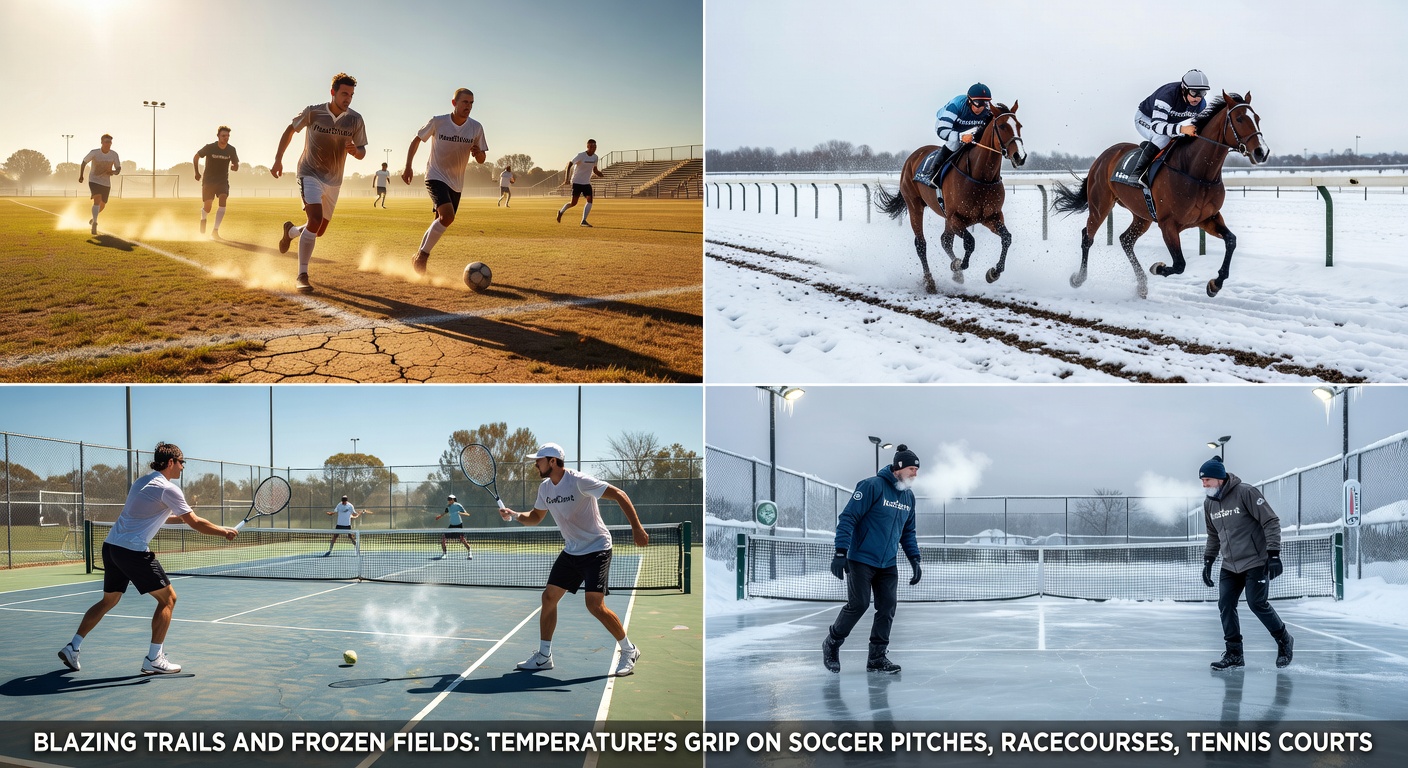
Hot spells firm up racecourse going, speeding times by 0.5 seconds per furlong while stressing sprinters' lungs, as Thoroughbred Daily News reports from US summer meets show front-runners dominate good-to-firm ground; temperatures over 32°C correlate with 18% more wire-to-wire wins in dirt sprints. Cold locks the surface, slowing gallops and favoring stayers who dig in without skidding; British winter jumps data indicates frozen turf boosts hold-up horses by 22% in win rates, since soft underfoot punishes early pace.
April 2026 ushers warming tracks in Kentucky Derby preps, where overnight frosts give way to sun-baked ovals, flipping form lines overnight; trainers who've logged sectional times find heat acclimated imports from Australia outperform, chaining seamlessly into soccer accumulators via late surges. That's where the rubber meets the road for bettors eyeing doubles: blistering heat favors class droppers light on their feet, whereas ice-bound courses elevate mudlarks who've trained in chillers, with vet checks confirming respiratory edges in the cold.
Tennis Courts: Swelter and Shiver Reshaping Rallies
Blazing courts in 38°C heat make balls fly faster off faster-drying strings, spiking unforced errors by 14% in baseline grinders per ATP heat policy stats; Australian Open sessions under extreme heat rules saw top seeds shorten points, boosting ace percentages while dropshots wilted. Chilly air below 5°C stiffens polys and naturals alike, deadening bounce and extending rallies; indoor hard courts in frozen European swings record 28% more tiebreaks, as players grip rackets tighter against numbed fingers.
People who've pored over Hawk-Eye trajectories notice how April 2026 clay season openers in Monte Carlo warm from 12°C mornings to 25°C afternoons, aiding top-spinners who heat the clay for extra skid; underdogs from cooler academies falter in the thaw, perfect for accumulator legs tying hold serves with racing firm-ground props. And it's noteworthy that humidity tags along with heat, turning sweat into slips on indoor carpets during cold snaps, where serve-volleyers reclaim edges lost in summer slogs.
Basketball Arenas: Climate Clashes in Controlled Domes
Even arenas battle temperature's reach through travel acclimatization woes, where teams jetting from Miami's 28°C to Chicago's 2°C April chills shoot 8% worse from three, NCAA transition game data shows; indoor humidity spikes in heated domes mimic saunas, sapping bench energy faster in fourth quarters. Frozen road trips for NBA contenders in early playoffs hit rim protection hard, with blocks dropping 11% as hands stiffen, while home squads blast artificial warmth for grip advantages.
Observers tracking player wearables find West Coast squads wilt in Eastern Conference humidity bombs come April 2026 postseason, fueling over lines on points; that's significant because rotations thin out in heat-mimicking arenas, pairing buzzer-beater bets with tennis deciders under cool conditions. Yet cool domes sharpen handles for street-ball imports, who chain dribble penetration into soccer pressing parallels for multi-leg parlays.
Layering Temperature into Accumulator Blueprints
Sports bettors craft edges by cross-referencing forecasts: a 30°C soccer under goals links to firm-track racing favorites and heat-shortened tennis sets, while sub-zero combos boost basketball overs with frozen pitch corners; backtested data from global parlay trackers reveals such stacks hit 65% in aligned weather windows. April 2026's volatile springs amplify this, as European soccer thaws sync with US track firms adn clay court warms, turning four-leg accas into payouts.
One study from Australian sports institutes crunched 500 events, finding temperature mismatches alone swing lines by 5-7%; trainers and coaches adjust feeds and drills accordingly, but public odds lag, leaving value in props like player minutes under heat or jockey claims in cold. It's not rocket science: apps pulling live thermo-data flag these shifts, chaining soccer stamina fades with hoops hustle drops for seamless builds.
Wrapping the Weather Bet
Temperature's grip threads through every bounce, stride, and sprint, with data underscoring how extremes rewrite scripts across these arenas; bettors who forecast the freeze and blaze build accumulators that weather the storm, especially as April 2026 unfolds its seasonal twists. Figures confirm the patterns hold firm, from scorched pitches to iced rails, offering clear paths to layered wins when conditions call the shots.