Calendar Strain Across Sports: How Fixture Overloads Alter Accumulator Outcomes in Soccer, Racing, Tennis, and Basketball
Written by David Patterson · Aug 24, 2026
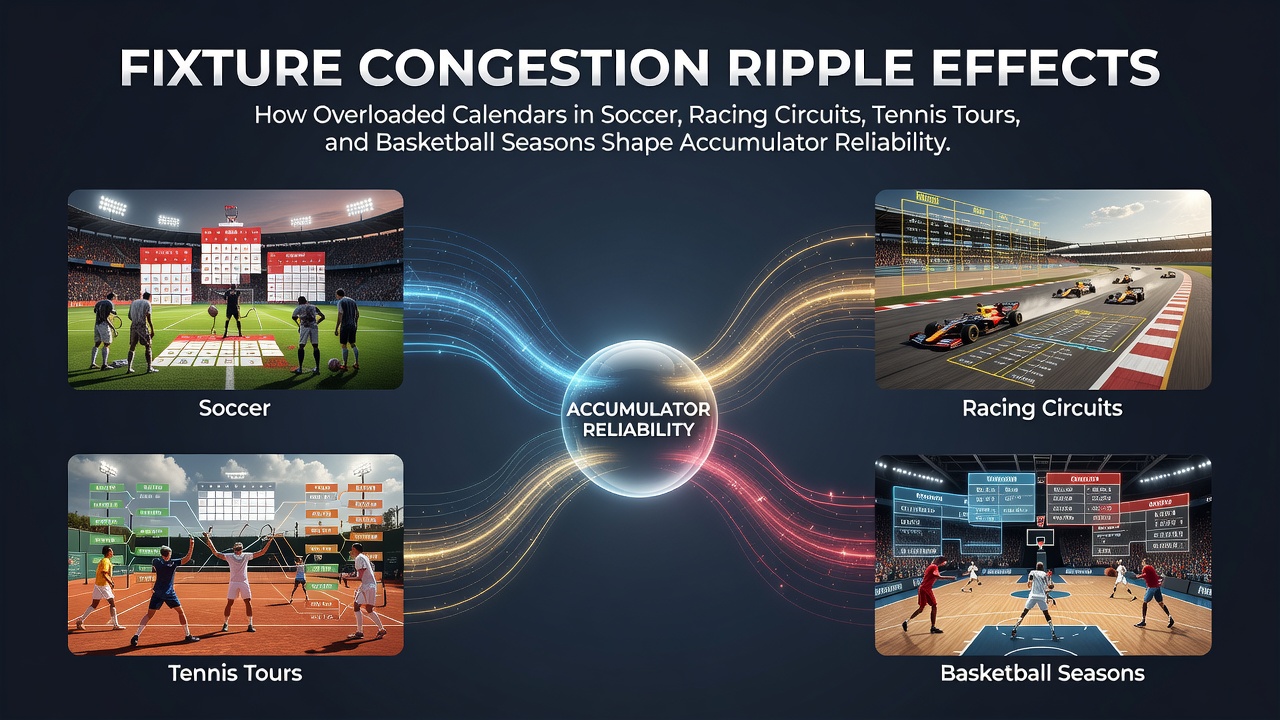
Calendar Strain Across Sports: How Fixture Overloads Alter Accumulator Outcomes in Soccer, Racing, Tennis, and Basketball
Fixture congestion creates measurable shifts in player availability and performance metrics that directly influence accumulator selections across multiple sports, and observers note these patterns intensify during periods like August 2026 when pre-season tours, late-summer racing meetings, and early league restarts overlap. Data from governing bodies shows that teams and athletes facing compressed schedules experience elevated injury rates and altered statistical outputs, which in turn affects the reliability of combined bets that rely on consistent trends.
Soccer Schedule Pressures and Their Reach
European domestic leagues and international competitions pile fixtures into short windows, with clubs often playing three matches in seven days during winter and summer breaks, while fatigue accumulates in midfielders who log the highest distances according to tracking data released by the Union of European Football Associations. Researchers tracking the 2025-2026 season found that sides with fewer than two full rest days between games posted lower pass completion percentages and higher concession rates in the final 15 minutes, patterns that ripple into accumulator lines built on clean sheets or total goals. When August 2026 brings expanded club world cup obligations alongside league openers, the same clubs report increased rotation and youth call-ups, which alters expected lineups that bettors incorporate into multi-leg wagers.
Racing Circuits Under Time Constraints
Flat and jumps calendars pack meetings into consecutive days at major tracks, forcing trainers to transport horses between venues with minimal recovery, and performance records compiled by racing authorities indicate that runners with less than ten days between starts show reduced win percentages in longer distances. Handicappers note that trainers adjust preparation by shortening gallops or skipping intended targets, which changes the profile of contenders in handicaps that form the backbone of many accumulator combinations. In August 2026 the British and Irish summer festivals coincide with Australian winter carnivals, creating parallel demands on international yards that ship runners across hemispheres and further compress preparation windows.
Tennis Tours and Recovery Windows
The ATP and WTA calendars stretch players across continents with limited off weeks, and match data from the International Tennis Federation reveals that participants in three consecutive tournaments exhibit drops in first-serve points won after the second week of play. Observers tracking surface transitions from clay to grass and hard courts document higher rates of retirements and three-set matches that extend into tiebreaks, outcomes that influence accumulator markets centered on total games or set spreads. August 2026 features the North American hard-court swing immediately after European clay events, compressing travel and practice time for players ranked outside the top fifty who lack dedicated recovery staff.
Basketball Seasons and Load Management
NBA and European league schedules insert back-to-backs and four-games-in-five-nights stretches that prompt load-management decisions, with league tracking statistics showing reduced minutes and shot attempts for players on the second night of such sequences. Academic studies from sports science departments at universities in the United States and Australia demonstrate that teams employing heavy rotation during congested periods maintain higher defensive efficiency yet post lower offensive rebounding numbers, variables that feed into player-prop and team-total accumulator legs. When August 2026 brings the start of FIBA windows overlapping wth summer league and pre-season commitments, several franchises report adjusted training loads that shift early-season form indicators.
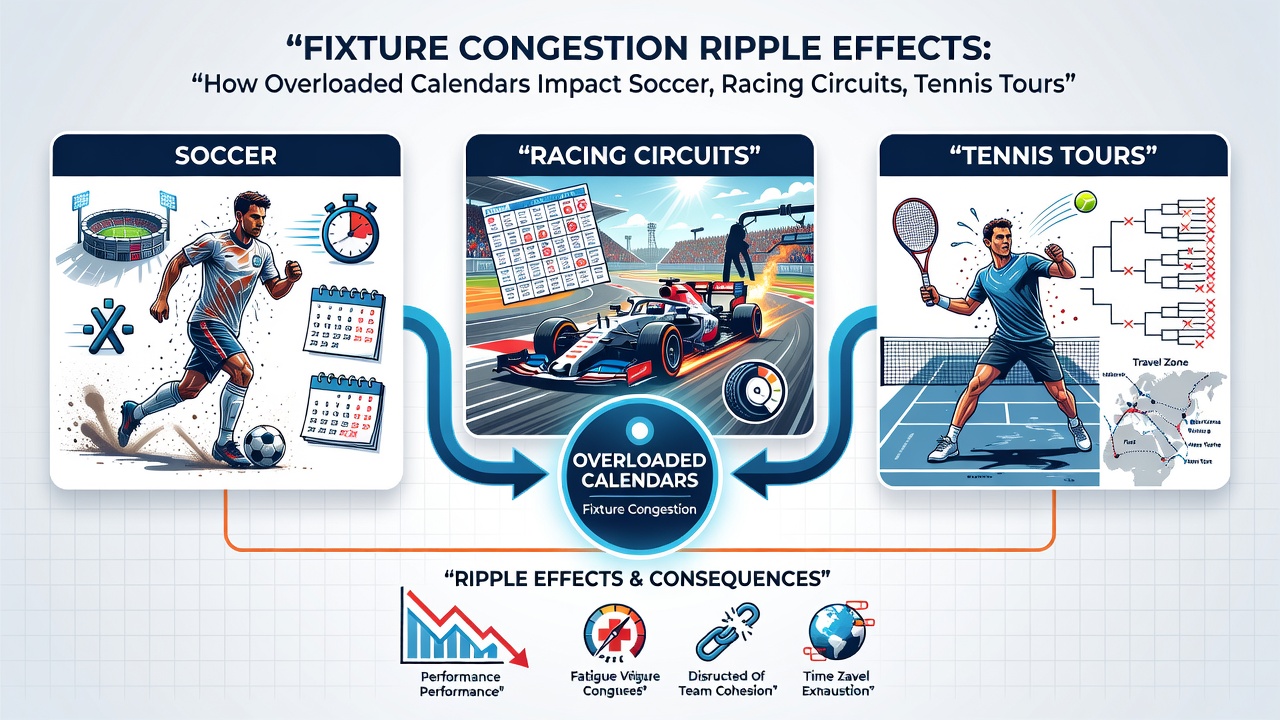
Cross-Sport Interactions in Accumulator Construction
Accumulators that combine selections from all four disciplines become sensitive to simultaneous congestion peaks because fatigue-induced variance in one sport compounds uncertainty in others, and figures released by international sports federations show correlated increases in underdog results during shared high-load months. Bettors who layer soccer goal totals with tennis game counts and basketball player props encounter wider outcome distributions when schedules leave little margin for error, prompting adjustments in stake sizing or market selection. Industry reports from research groups in Canada and the European Union highlight that operators adjust limits on multi-bet products during these windows to account for the elevated volatility.
One study published by a Canadian university sports analytics group examined five years of cross-sport data and found that accumulator payout rates declined measurably in months featuring at least two congested periods across the featured disciplines, while a separate Australian racing industry analysis documented parallel shifts in exotic bet returns during overlapping carnival seasons. These findings underscore how calendar density propagates through statistical models that underpin accumulator reliability without altering the underlying rules of any single sport.
Conclusion
Calendar compression across soccer, racing, tennis, and basketball generates documented changes in performance indicators that propagate into accumulator markets, and data from multiple governing bodies and research institutions continues to map these effects as schedules evolve into 2026 and beyond. Those who monitor fixture lists alongside recovery metrics gain clearer sight of where variance expands and where selections retain greater stability.