Crossing Time Zones: Scheduling Effects on Athlete Output in International Soccer Fixtures, Global Horse Racing Circuits, Tennis Grand Slams, and NBA Road Trips for Enhanced Betting Approaches
Written by Rosa Schulz · Jun 3, 2026

Crossing Time Zones: Scheduling Effects on Athlete Output in International Soccer Fixtures, Global Horse Racing Circuits, Tennis Grand Slams, and NBA Road Trips for Enhanced Betting Approaches
Time zone shifts create measurable disruptions in circadian rhythms that affect physical output and decision-making across multiple sports, and data collected from international schedules reveal consistent patterns that influence results in soccer matches, horse races, tennis tournaments, and NBA games. Researchers tracking elite performers note that rapid eastward or westward travel alters sleep cycles, hormone levels, and muscle recovery times, while schedules packed with back-to-back events amplify these effects during peak seasons such as the 2026 FIFA World Cup preparations that begin in June.
Soccer Fixtures and Long-Haul Travel
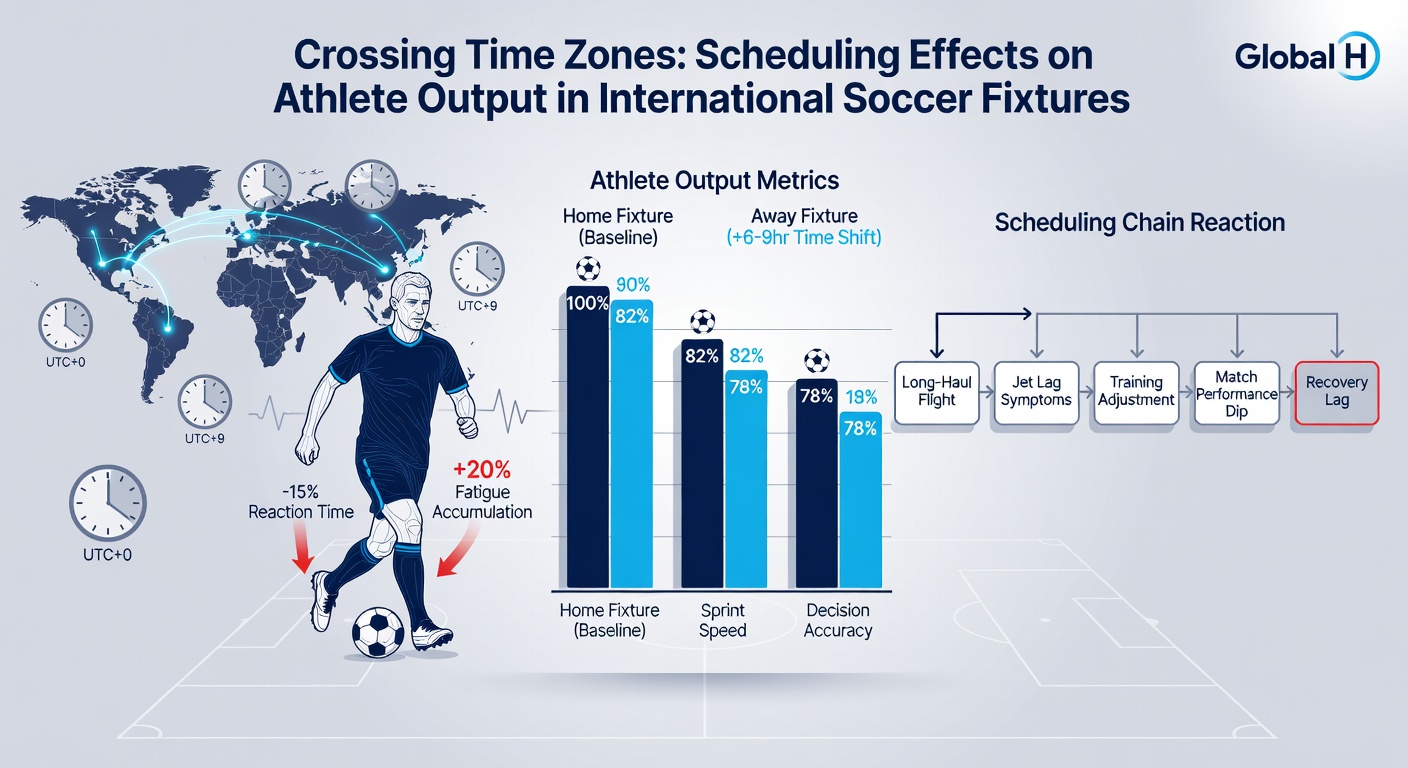
International soccer calendars force clubs and national teams to move players across continents within tight windows, and studies of European squads competing in South American qualifiers show average drops in high-intensity running distance when matches occur within 48 hours of arrival. FIFA scheduling data indicate that teams crossing five or more time zones record fewer successful passes in the opening 30 minutes compared with home fixtures, yet recovery improves when rest periods extend beyond three days. Observers tracking 2026 World Cup build-up matches note similar trends emerging in confederation playoffs where South American and Asian sides face European opponents shortly after long flights.
Global Horse Racing Circuits
Horse racing syndicates ship thoroughbreds between hemispheres for major events, and veterinary logs from circuits spanning Australia, Europe, and North America document slower reaction times and reduced stride efficiency in animals that race within 72 hours of transcontinental journeys. Records from the Melbourne Cup and Royal Ascot show that horses traveling eastward experience longer adjustment periods than those moving westward, with performance metrics such as sectional times reflecting these differences. Trainers who stagger arrival dates by five to seven days report more stable heart-rate recovery patterns according to industry monitoring programs.
Tennis Grand Slams and Player Recovery
Grand Slam calendars require athletes to compete on successive continents, and ATP and WTA performance databases reveal that players advancing from Australian events to European clay-court swings display elevated unforced-error rates in early rounds when time-zone changes exceed seven hours. Match-duration statistics compiled over multiple seasons demonstrate that serve percentages stabilize only after four full days on the new schedule, while tie-break outcomes fluctuate more widely for competitors with compressed travel itineraries. Tournament medical reports highlight increased fatigue markers in doubles specialists who play both singles and doubles brackets across hemispheres.
NBA Road Trips and Back-to-Back Games
NBA scheduling places teams on multi-city road swings that cross several time zones within a week, and league tracking systems record lower field-goal percentages and increased turnovers when games tip off within 24 hours of arrival from the opposite coast. Data from the 2024-2025 season onward show that teams playing three games in four nights across Pacific and Eastern time zones average fewer points per possession in the fourth quarter, whereas extended rest periods correlate with improved defensive efficiency ratings. League operations reports confirm that back-to-back sets scheduled after transcontinental flights produce the largest variance in player-minute distributions.
Integrated Patterns Across Sports
Comparative analyses of performance datasets from soccer, racing, tennis, and basketball demonstrate that eastward travel consistently produces greater initial decrements than westward movement, while individual recovery windows vary by age, training load, and prior exposure to similar schedules. Event organizers have adjusted some fixtures in response to these findings, yet compressed calendars around major tournaments continue to test adaptation limits. Betting markets that incorporate travel-adjusted metrics draw on historical averages from these sports to refine projections for upcoming fixtures, including those tied to June 2026 international windows.
Conclusion
Time-zone management remains a documented variable in elite sport outcomes, and quantitative records across soccer, horse racing, tennis, and basketball supply objective indicators that shape scheduling decisions and performance forecasts. Continued monitoring of recovery protocols and fixture density offers further data points for evaluating athlete output in future global circuits.