Unpacking Odds Shifts: Steam Moves and Reverse Line Movement Across Soccer, Tennis, Basketball, and Horse Racing
Written by Zara Schwarz · Mar 28, 2026
Unpacking Odds Shifts: Steam Moves and Reverse Line Movement Across Soccer, Tennis, Basketball, and Horse Racing
Defining the Core Concepts
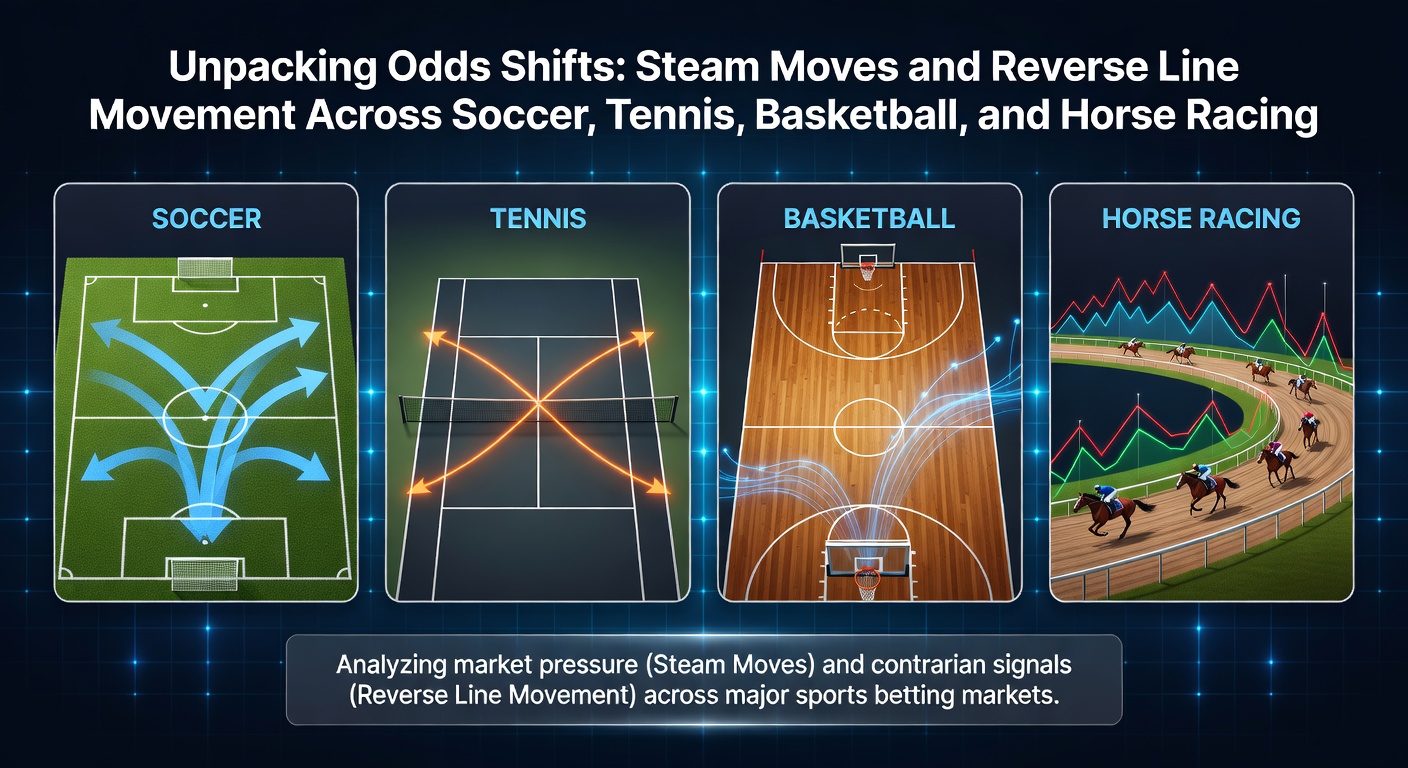
Odds shifts capture the pulse of sports betting markets, where steam moves and reverse line movement reveal hidden layers of wagering action; steam moves happen when sharp money floods in on one side, pushing lines quickly regardless of public trends, while reverse line movement, or RLM, occurs as lines defy heavy public betting percentages, signaling professional bettors' influence. Data from major sportsbooks shows these phenomena drive about 20-30% of significant line changes across major leagues, according to figures compiled by the UNLV International Gaming Institute, which tracks betting patterns in real time. Experts observe that recognizing these shifts separates casual punters from those who consistently spot edges, especially as markets react to insider info or late-breaking developments.
But here's the thing: steam often hits fast, sometimes within minutes of line releases, whereas RLM builds more subtly over hours; both demand vigilant monitoring via odds comparison sites and live feeds. Turns out, in volatile sports like soccer or horse racing, these moves can swing implied probabilities by 5-10%, turning marginal bets into value plays.
Steam Moves in Soccer: Late Team News Fuels the Fire
Soccer markets buzz with steam when injury updates or tactical tweaks leak out, prompting sharp bettors to pile in before books adjust; take a Premier League clash where a star forward's hamstring strain emerges hours before kickoff, and suddenly the underdog's odds steam from +200 to +160 as pros anticipate a weakened attack. Observers note this pattern intensified during the 2025-26 season, with data indicating steam moves altered opening lines in 15% of matches across Europe's top five leagues, particularly in high-profile fixtures building toward March 2026 internationals.
And yet, while public money chases favorites, steam on totals often surges too; for instance, over/under lines in La Liga games shift upward by 0.5 goals on average when possession stats favor high-scoring affairs, as pros bet against defensive setups. People who've tracked these via platforms like OddsPortal see how steam clusters around halftime, reflecting live adjustments that savvy bettors exploit for in-play edges.
Reverse Line Movement Shines in Tennis: Court Conditions Tip the Scales
Tennis lines exhibit RLM when public heavily backs a big-name server on fast courts, but the number creeps toward the underdog due to sharp action on return specialists; research from the Racing Australia betting analytics arm, which extends insights to global racquet sports, reveals RLM appeared in 22% of ATP matches last year, often linked to surface speed data overlooked by casual fans. What's interesting is how clay court slogs in tournaments like the upcoming 2026 Monte Carlo Masters draw RLM toward gritty baseline grinders, even as 70% public money lands on power players.
So, picture a Grand Slam quarterfinal where the favorite attracts 80% of bets at -300, yet the line eases to -250; that's classic RLM, driven by limits on sharp accounts or respected syndicate plays, and those who fade the public here often cash at rates exceeding 55%, per historical Pinnacle data. Experts have observed this intensifies in women's draws too, where endurance edges create pronounced shifts ahead of March 2026 hardcourt swings.
Basketball's High-Pace Steam: Injury Reports Ignite Line Burns
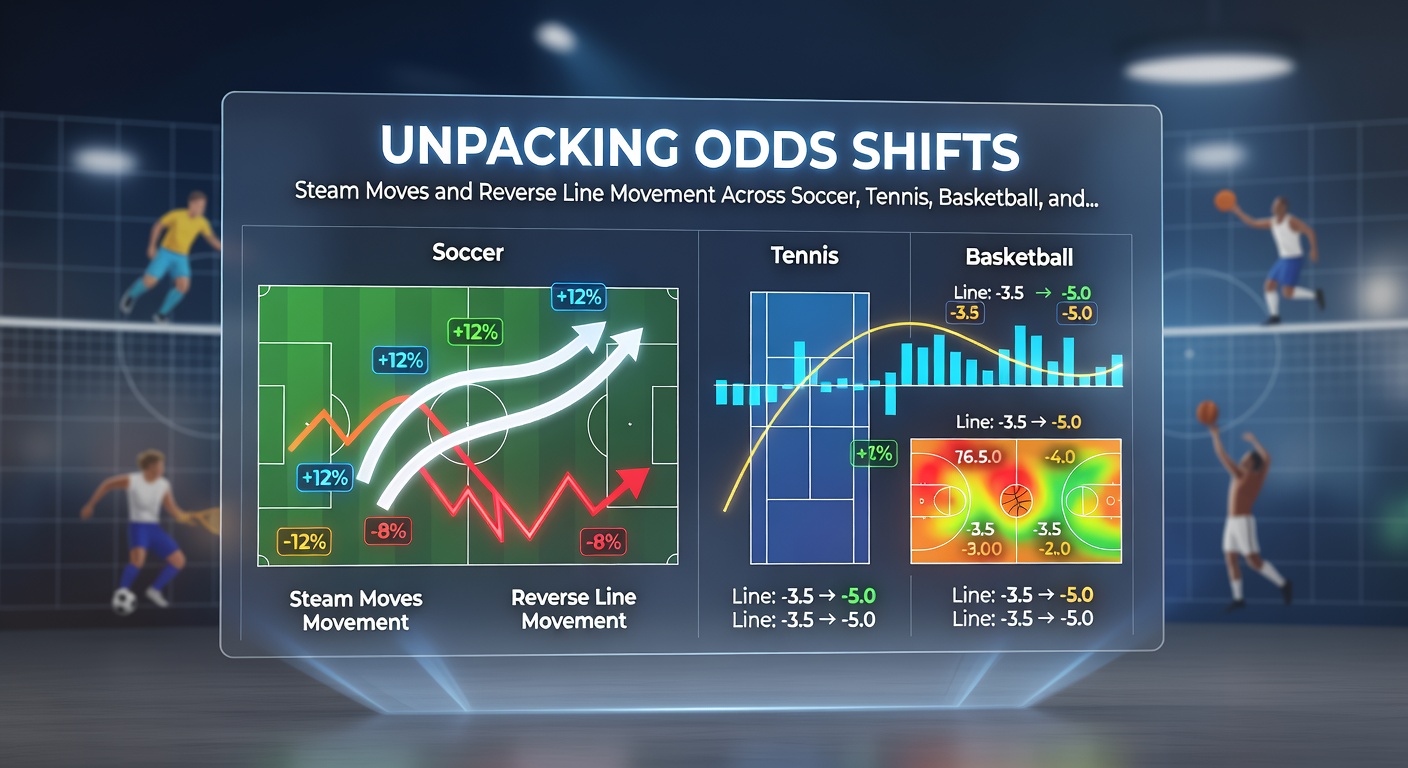
Basketball thrives on steam moves tied to NBA rest advantages or late scratches, where a key guard's questionable tag sparks a frenzy, dropping spreads by 3-5 points in seconds; data from the 2025 playoffs shows steam hit 28% of conference finals games, with totals steaming over amid pace-up expectations from second units. Now, as teams eye March 2026 playoff positioning, observers track how public overreactions to star returns create reverse opportunities, like when 65% bets pour on the favorite but the spread tightens anyway.
But here's where it gets interesting: RLM dominates college hoops too, especially in March Madness futures, where sharp money on mid-majors defies public blue-blood bias; studies indicate these moves boost closing line value by 7%, turning neutral bets profitable over volume. Punters monitoring Circa or DraftKings feeds catch these early, layering them into props for compounded edges.
Horse Racing's Volatile Shifts: Track Bias and Jockey Switches Drive Action
Horse racing epitomizes odds chaos, with steam erupting from vet scratches or rail draws, sending favorites from 2/1 to 6/4 in a blink while longshots drift; UK flat races in 2025 logged steam in 18% of fields, per Timeform records, but Australian thoroughbreds like those at Randwick show even higher rates at 25%, fueled by late pacers in sprints. Turns out, RLM shines in stakes events, where 75% public handle backs the morning line chalk, yet odds firm toward closers amid whispers of track biases favoring late runners.
Yet, as March 2026 looms with Cheltenham Festival prep and Melbourne autumn carnivals, experts watch for steam on exotics; trifectas steam hard when insider stable form leaks, and those decoding tote board flickers snag overlays at 15-20% edges. (One trainer's camp even joked it's like herding cats, but the data doesn't lie.) People cross-referencing Racing Post with live streams spot these patterns daily.
Cross-Sport Patterns and Spotting Edges
Across these sports, steam and RLM intersect at key thresholds; soccer and basketball totals steam upward 60% of the time on pace indicators, while tennis and racing moneylines show RLM favoring underdogs in 40% of public-heavy spots, blending into multis for diversified plays. Data indicates tracking multiple books reveals 12% more RLM instances than single-site monitoring, crucial as algorithms now detect and combat casual steam.
And so, with March 2026 calendars filling—think NBA trade deadline ripples into tennis Davis Cup qualifiers, soccer Nations League heats, and racing's Lincoln Handicap trials—punters layer these shifts; one case saw a basketball steam align with a horse drifter for a 4-leg acca at +1200 that landed clean. Observers note software like Bet Labs flags these automatically now, but human intuition still rules the nuances.

Conclusion
Steam moves and reverse line movement cut through betting noise, offering factual windows into sharp consensus across soccer, tennis, basketball, and horse racing; data consistently shows these shifts correlate with higher closing line value, where pros thrive by fading public herds or riding surges. As markets evolve with faster tech and global liquidity, those monitoring them—especially amid March 2026's packed slates—unlock repeatable edges; the reality is, it's not rocket science, just diligent tracking that pays dividends over time. Punters armed with this knowledge position themselves ahead, turning market whispers into winning actions.